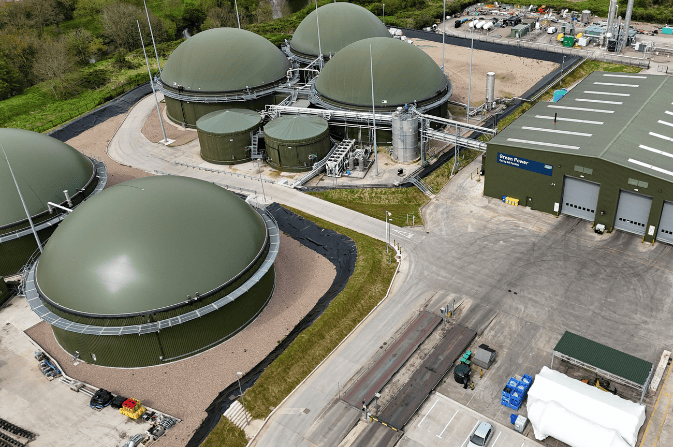
Derby City Council has partnered with Severn Trent Green Power to process food waste collected from around 100,000 homes across the city, transforming it into renewable energy at a local facility. From 31 March, weekly food waste collections will begin, marking a major step forward in reducing black bin waste and supporting a more sustainable Derby.
Food waste collected in Derby will be treated at Severn Trent Green Power’s anaerobic digestion facility. As a gas-to-grid plant, it converts food waste into renewable energy that is injected into the national gas network to power homes and businesses. In just a year, it is estimated Derby’s food waste will generate enough energy to power more than 1,000 homes.
Mark Barnfield, Commercial Director at Severn Trent Green Power, said:
“We are excited to start working with Derby City Council. Our AD plant in Derby has seen some significant improvements recently and is well equipped to receive the food waste from the city’s residents. All waste derived from the local authority’s collections will be treated at our Derby anaerobic digestion facility, converting the waste into renewable energy.”
Anaerobic digestion is a natural process where microorganisms break down food waste without oxygen, producing biogas for energy and a nutrient-rich fertiliser for farmland. This ensures that unavoidable food waste is reused rather than wasted.
Using your new food waste containers
With deliveries of containers now complete across Derby, residents are being encouraged to start filling their containers ahead of the service launch. Food waste should be collected in the kitchen caddy and transferred to the green container, ready for weekly collection on residents’ usual bin day.
Residents can use any type of bag or liner in their kitchen caddy, including reused household bags such as bread bags or carrier bags. All liners will be removed during processing and sent for Energy from Waste, meaning there is no need to buy specific liners. Writing the house number on the green container is also recommended to help prevent it from being lost or mixed up.
Residents living in properties with shared bins, such as flats, HMOs and other shared houses, need not worry. These properties will be assessed differently to ensure they have the most suitable food waste collection system. More information will be provided soon.
The introduction of weekly food waste collections is part of a wider effort to reduce waste and support the city’s Climate Change Action Plan. By separating food waste, residents will help generate renewable energy and reduce the environmental impact of disposal.
Councillor Ndukwe Onuoha, Cabinet Member for Streetpride, Parks and Leisure, said:
“Launching food waste collections is a major step forward for Derby. It’s about making it easier for residents to do the right thing while also creating something positive from waste. By working together, we can reduce what goes to landfill and turn everyday food waste into energy that benefits our communities.”
For full guidance on how to use your containers, what can go in them, and collection details, visit the food waste collections content on our website.